Somatic Re-Storying:
A Psychodrama Structures Retreat for Queer Folks
May 5–9, 2027 · Trout Creek Wilderness Lodge · Molalla River Watershed, Oregon Hosted in partnership with Cure + Era
Join us as we engage collectively in healing from trauma and grief with somatic and experiential practices.
At a time when queerness remains both a deep source of joy and connection and a persistent source of trauma, grief and exile, we are reminded of one of the magical qualities of queerness: our radical ability to heal and thrive in community. That ability matters more now than ever. Queer, trans and gender expansive people are living through a period of escalating political violence, legislative threat and deliberate erasure. Gathering in community with one another and communing with the land and our non-human kin is not a luxury…it is a practice of survival, resistance and imagination.
This Somatic Re-Storying retreat is a highly experiential, narrative-changing healing space where we address our family- and culture-of-origin wounds in a small group of 2SLGBTQIA+ folks. Together we will engage in somatic and embodiment practices that prepare our bodies, hearts and nervous systems for Psychodrama Structures, a powerful modality for healing and transforming the wounds and stories we carry.
Structures are born out of Pesso Boyden System Psychomotor (PBSP). I continue to evolve this work after years of studying and practicing with Bessel van der Kolk, Licia Sky, Gus Kaufman and Jim Amundsen. I often weave in parts work and a variety of somatic practices so the Structures work can expand to meet the needs of individuals and the group, and to honor cultural uniqueness.
This practice is deeply collaborative, experiential and transformative: an innovative approach to healing the relationship patterns and embodied narratives that no longer serve us. In each Structure, we recreate in three-dimensional space a representation of something we would like to heal. We step into the deep longings and hidden wounds of our inner child/ren, then re-imagine new possibilities that become somatically imprinted with the support of group members and the facilitator.
We often joke that this transformation of your relational templates and possibility maps "is like doing ten years of therapy in one hour."
Throughout our time together we will:
Engage in practices that build connection, create a cohesive container for the group, process grief and trauma, and make room for joy and play
Participate as supporters/accommodators in one another's Structures, with space for 7–8 participants to be a protagonist in their own Structure
Share seasonal, nourishing buffet meals prepared on the land, with dietary needs planned in advance
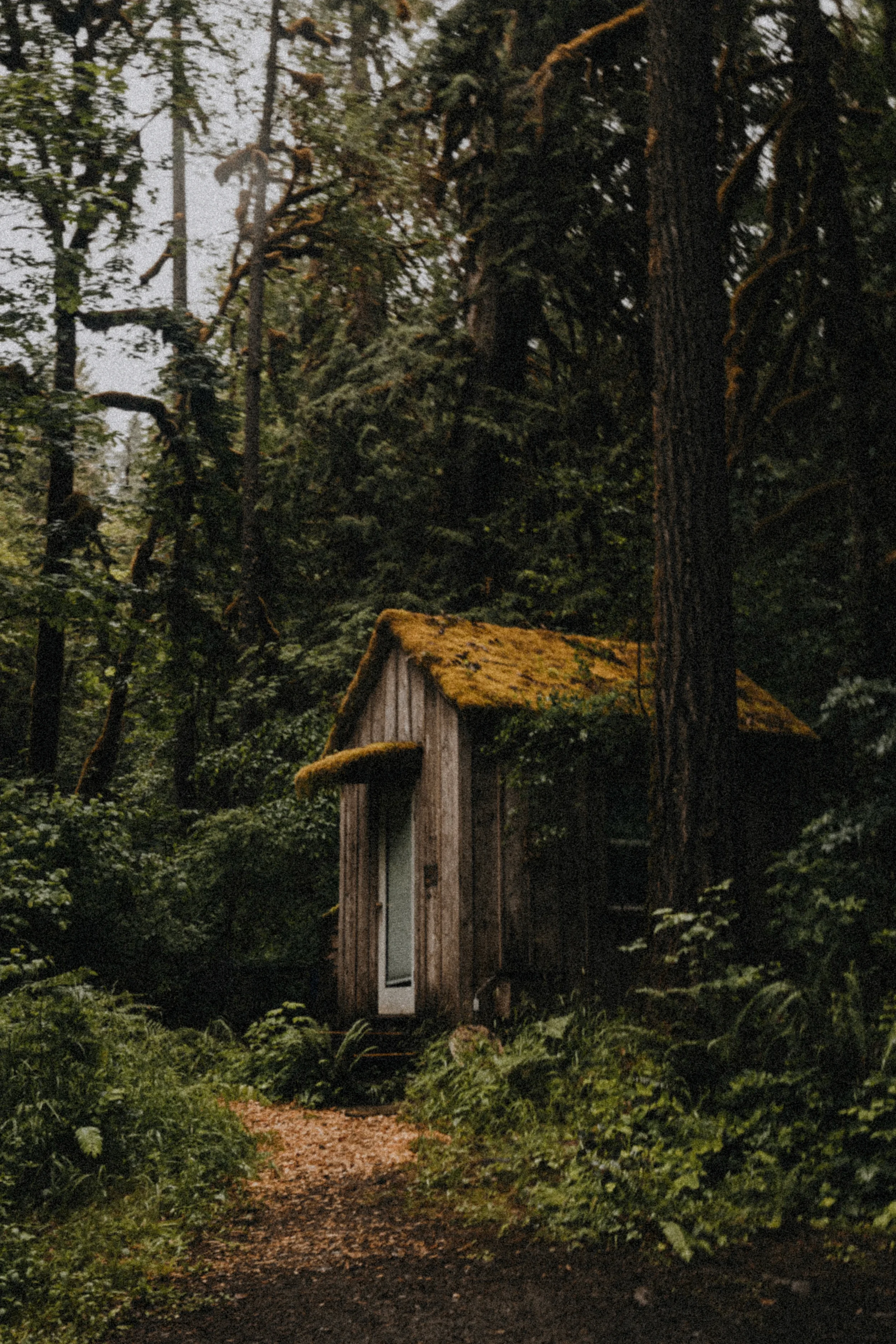
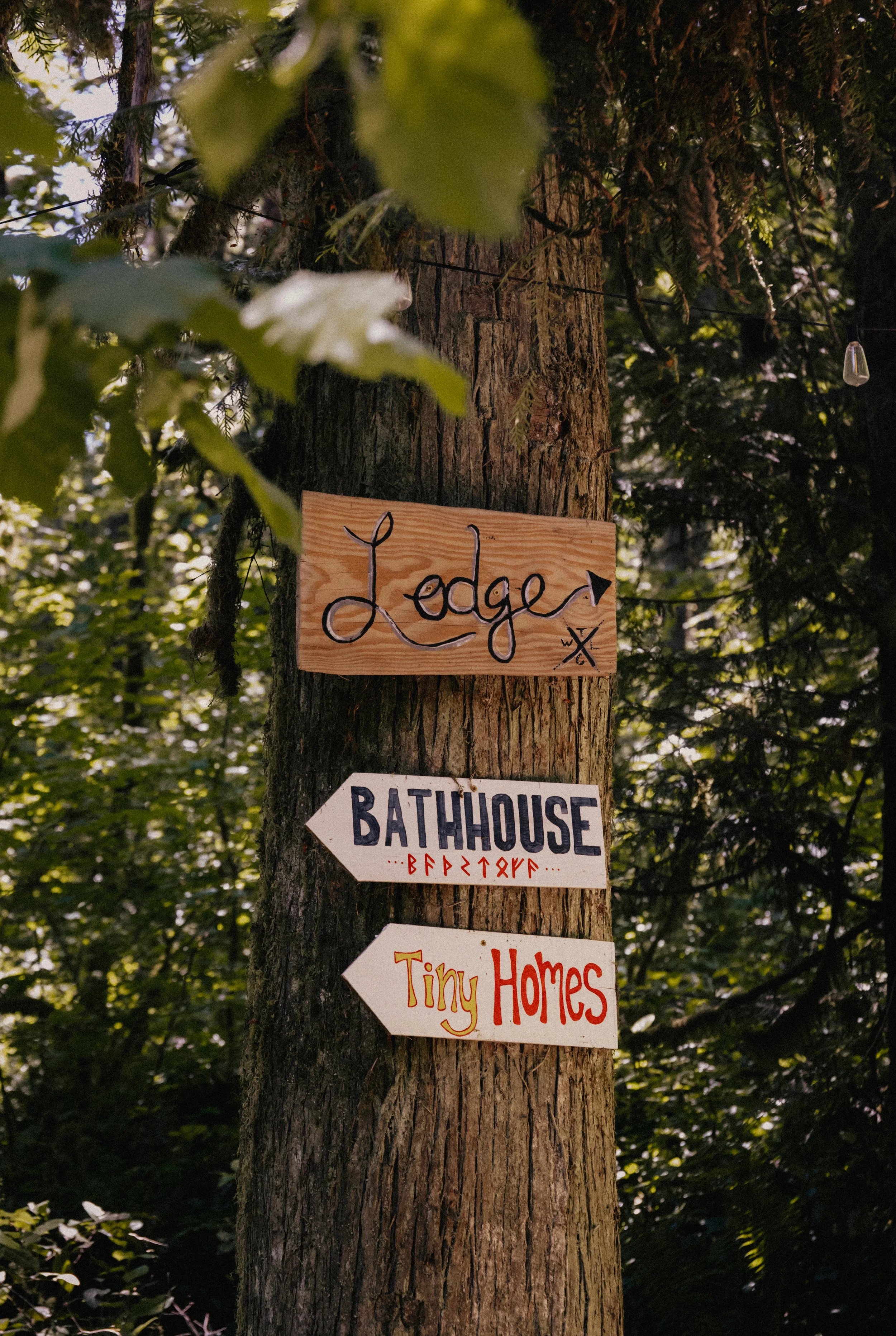
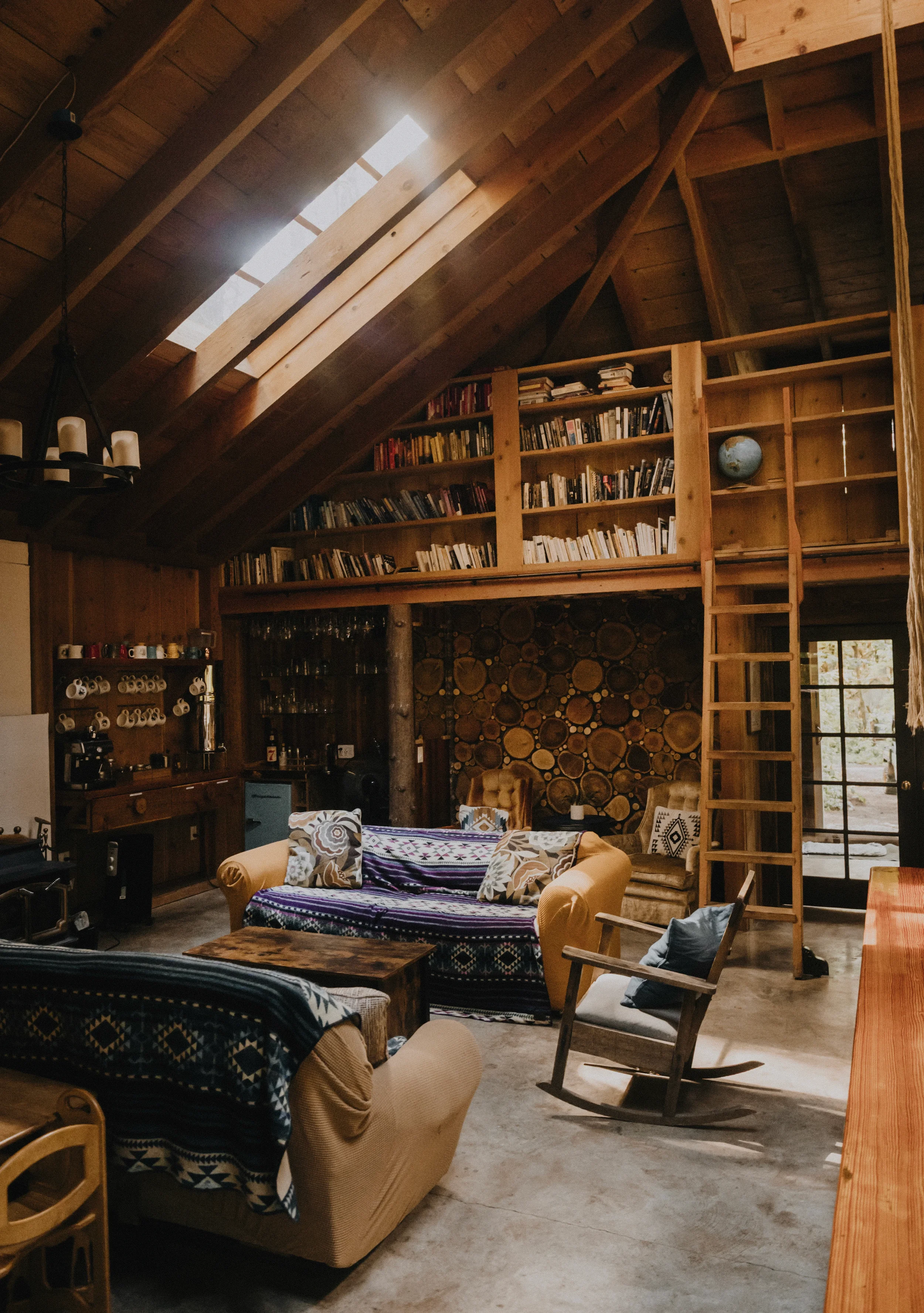
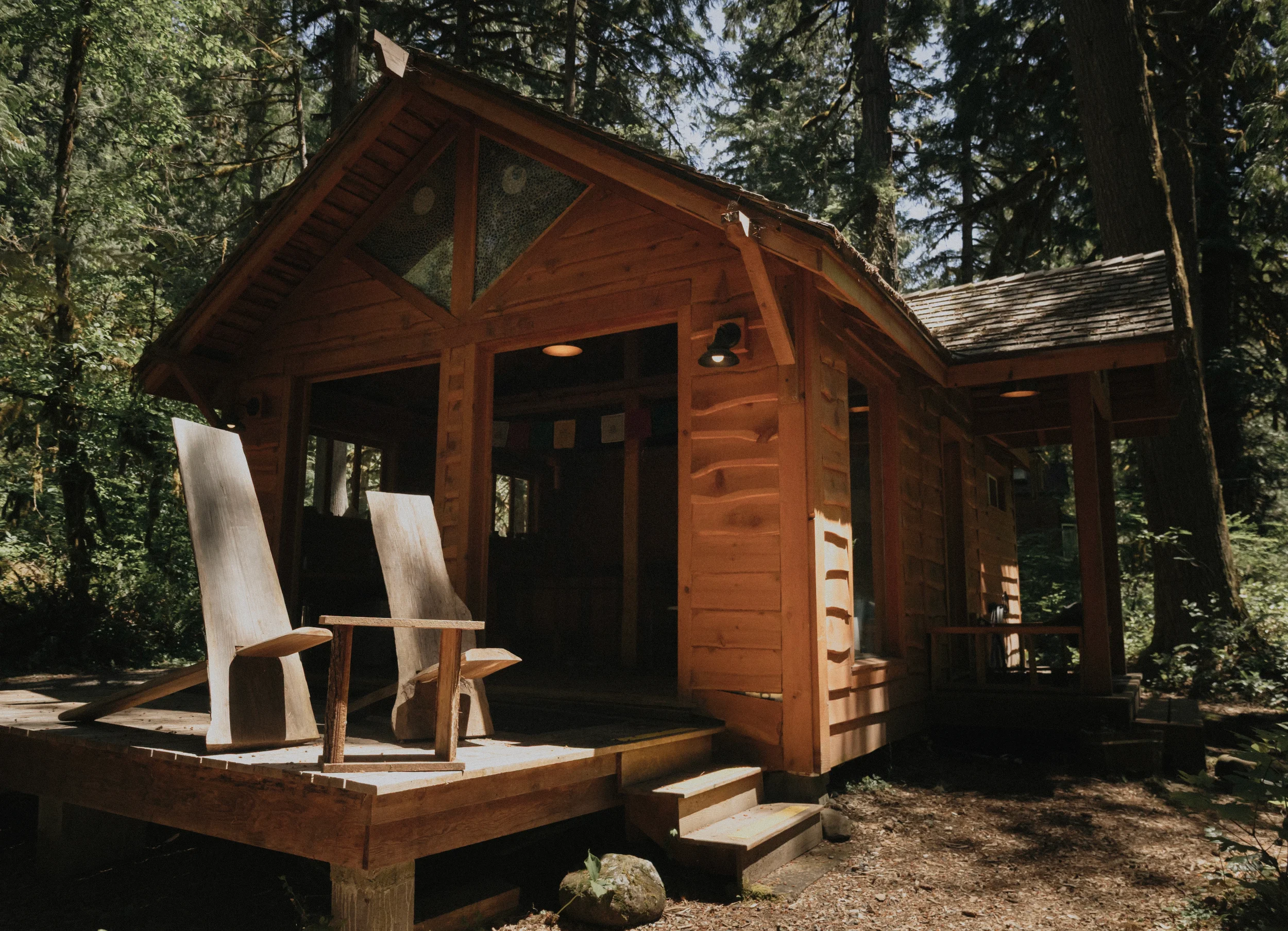
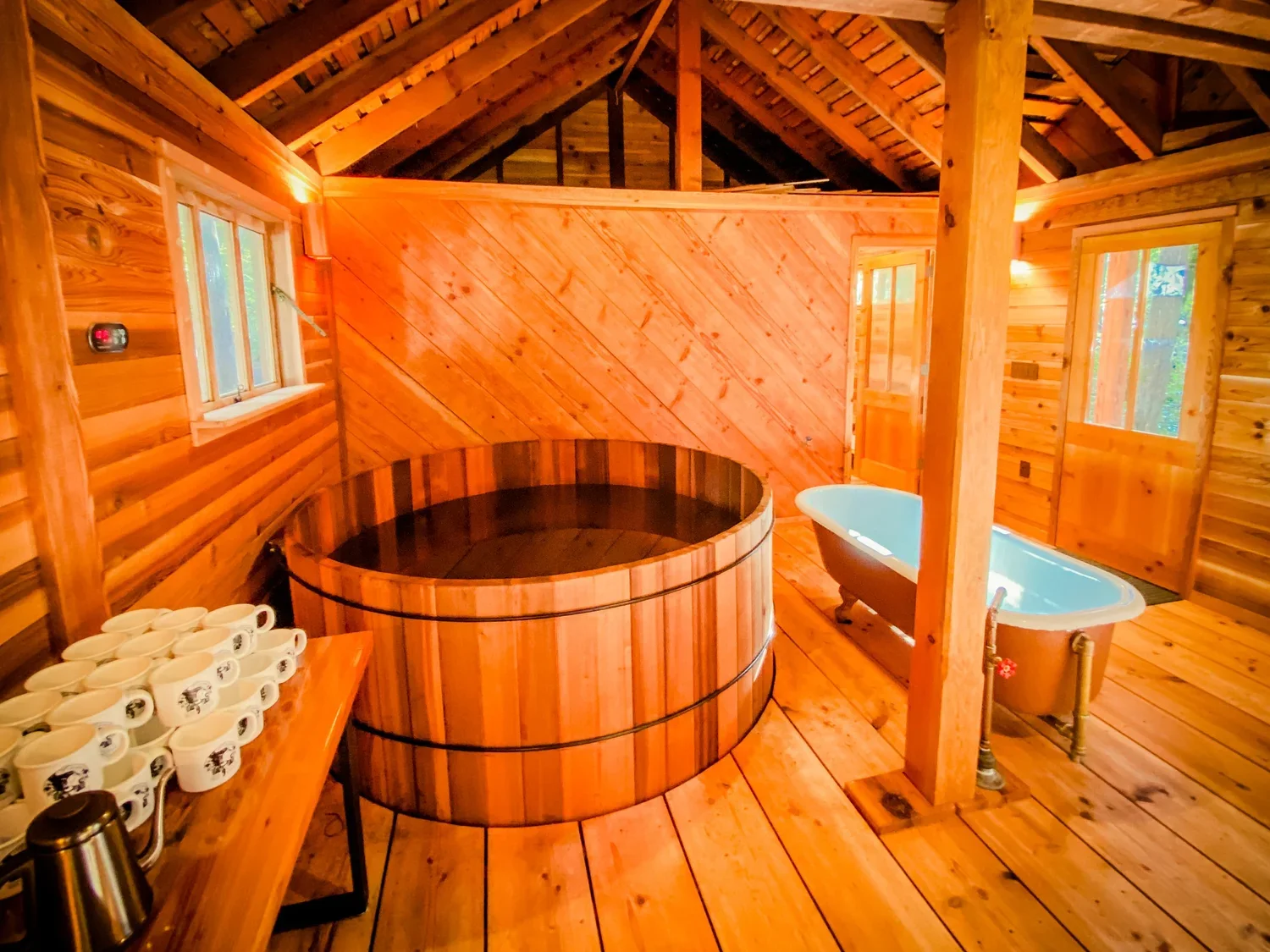
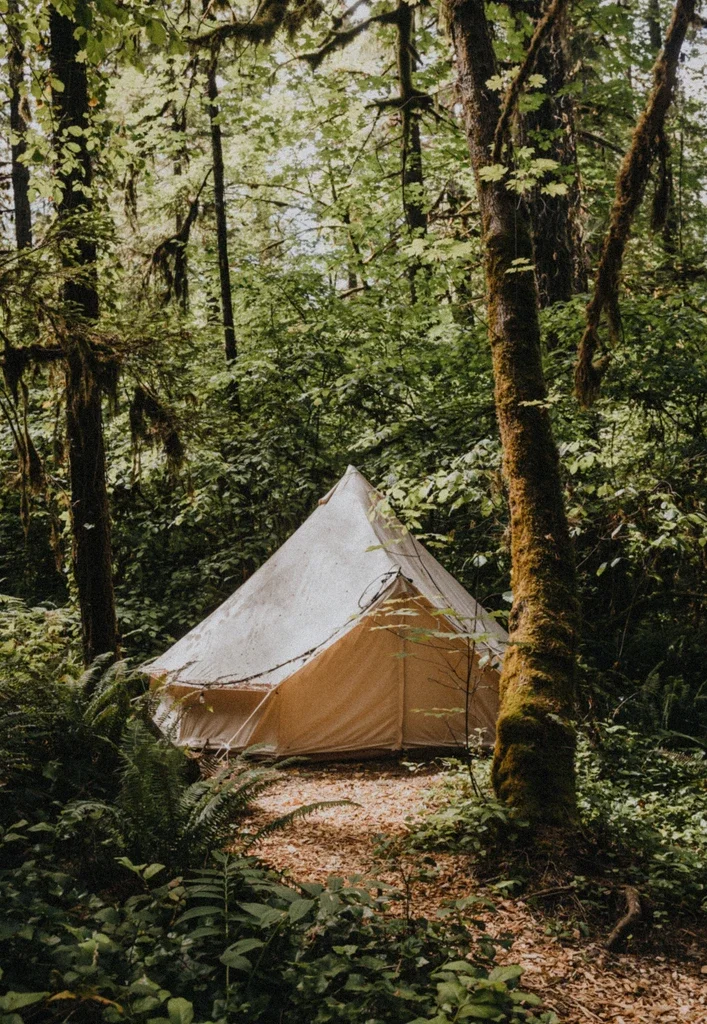
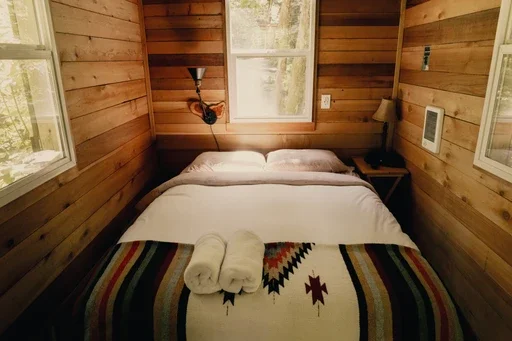
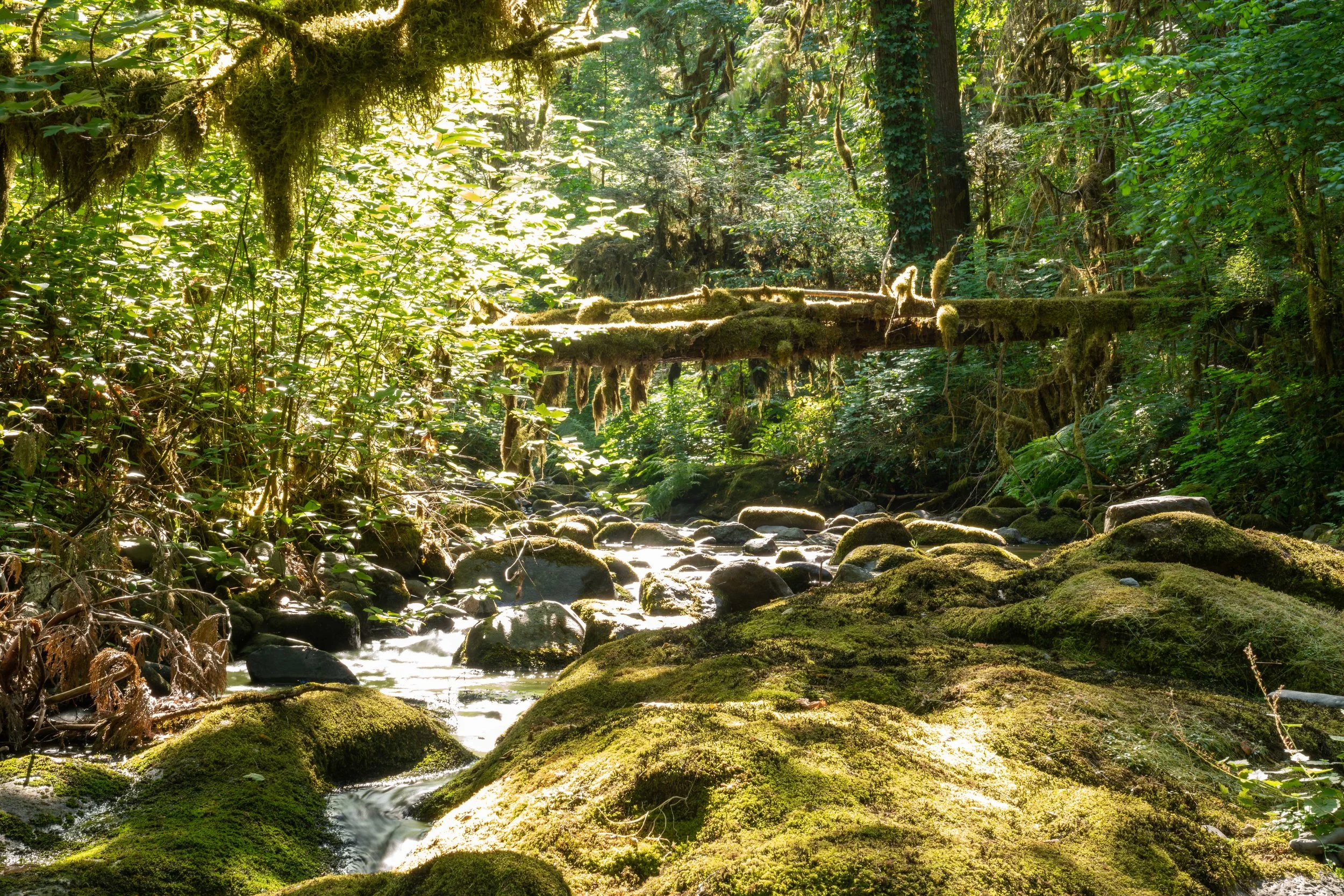
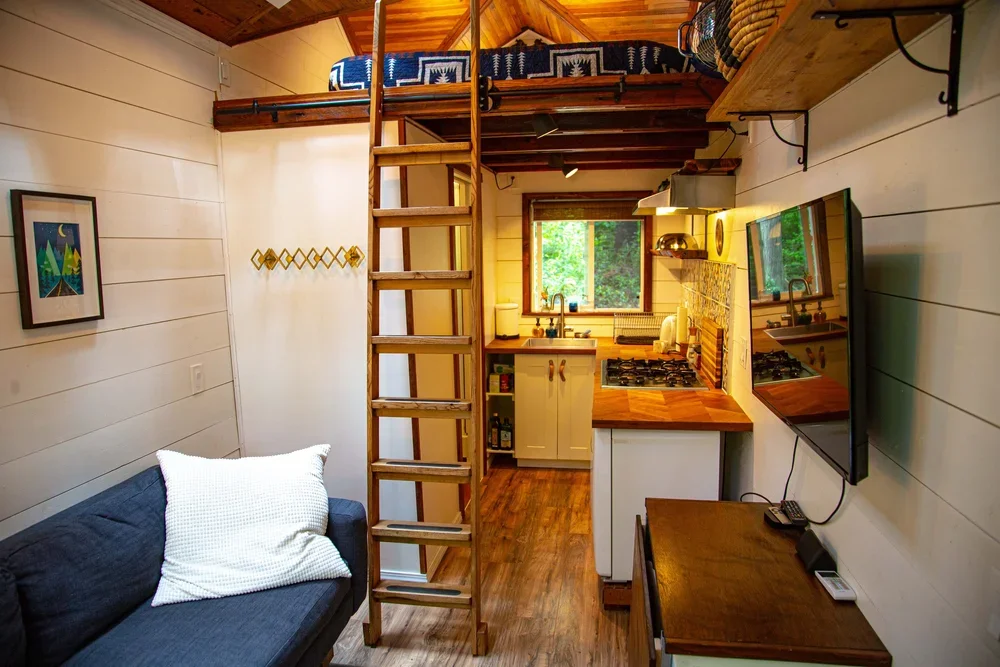
Rest in the Molalla River watershed: forest paths, river time, mossed cabins, sauna and hot tub, and unhurried time between sessions
Continue the work after we return home with two post-retreat group integration calls
-
This year the retreat is hosted with Cure + Era, a nonprofit organization tending an embodied, watershed-rooted commons at Trout Creek Wilderness Lodge in Oregon. I'm moved by how they approach this work and it is shaping how we will gather.
The land is a participant, not a backdrop. Cure + Era treats the Molalla River watershed as the place we are accountable to. The river, the forest and the shared table are part of the healing, and our slowed pace is part of the practice.
Hospitality is a form of care. Chel Rowan, Cure + Era's founder, will host us: preparing rooms with attention to accessibility and sensory needs, setting out warm drinks before morning sessions and after hard work, and tending the small, often invisible details that let our nervous systems and bodies settle into more ease. This frees me and my assistant to give our full attention to you, to the group and to the integrity of the work.
Relationship over extraction. The gathering is co-created by three partners, each in their own role. Cure + Era hosts and stewards the gathering place and space, Trout Creek Wilderness Lodge provides the lodging and meals, and I design and lead the retreat and remain your point of contact from first inquiry through integration.
Access belongs to the reason we gather. For Cure + Era, access isn't about charity, it's a practice of building community in equitable ways. Together we aim to build the world we are working toward: one where colonial and interlocking systems of dispossession don't decide who gets to rest, feel safe, commune with the natural world and heal in community.
Dignity without proof of hardship. Financial support is offered through a confidential and self-directed process. No one will be asked to perform their suffering or disclose intimate history to prove they belong.
Fair pay as a central value. Every person whose labor makes this retreat possible, from cooking to facilitation to land stewardship, is paid transparently. We all believe that a model that depends on unpaid labor can't be the foundation for lasting access and sustainable care.
This retreat is the first expression of what we hope becomes a longer collaboration: a recurring constellation of queer gatherings on this land, supported over time by donors and mission-aligned funders so that more people can attend while everyone is paid fairly.
-
Accessible spaces for healing are a shared commitment between me and Cure + Era, and this year I'm sharing transparently what it costs to hold this retreat so that we can carry that commitment together.
The people this retreat is for, queer, trans, gender expansive and Two Spirit folks, and especially those of us who are also BIPOC, disabled or chronically ill, are among the people most exposed to structural violence and marginalization. Many of us are navigating the economic consequences of discrimination, trauma, illness, caregiving or interrupted work. Others of us have stable income and real resources. There is no single financial story in our communities, but the truth is that the cost of rest, care and retreat has never been shared equally or equitably.
Right now, as our rights, our healthcare and our very presence in public life are under attack, I don't want money to decide who gets to come to the land and heal. I also want to honor the skilled labor of everyone who makes this possible, without asking anyone to work for free.
Transparency is how I hold both. Rather than naming a price without context, I'm sharing the real costs below and inviting each of you to choose the contribution that reflects your circumstances. Those with more resources can help carry those with fewer. That is community care in practice. This is not charity flowing in one direction, but reciprocity among people who belong to each other in community.
We believe transparency builds trust. Paying more is a gift to the circle; paying less is never a lesser way to belong.
-
It costs about $14,440 to hold this retreat for 10 participants, two facilitators and four nights on the land, or $1,444 per participant.
What it covers
Land, lodging and venue: exclusive use of Trout Creek for four nights, private beds for everyone, sauna and hot tub, cleaning and turnover, grounds, hospitality staff and insurance
$5,000
Nourishment: 11 seasonal buffet meals, plus coffee, tea, fruit and snacks all day, including fair pay for the cook
$2,340
Facilitation: program design, screening and preparation, five days of facilitation, two integration calls, a second trained facilitator for support and safety in the room
$5,500
Facilitator travel to Oregon
$1,200
Program supplies, administration and payment processing
$400+
Total
$14,440+
Trout Creek's customary rate for an exclusive three-day buyout is about $13,000. For this retreat they are offering four nights for $5,000, less than 40% of that rate, as their contribution to making this gathering accessible.
These figures are planning estimates. They hold no profit margin for the retreat and no reserve for cancellations, so the pricing below is designed to meet them together.
-
There are three ways to join and every one of them includes the full retreat, lodging, all meals and both integration calls. Please choose the level that honestly fits your resources; no one will ask you to justify or explain it.
Community Supported (3 places)
$600-$1,600
Covers about 40%+ of true costs; the rest is carried by the circle
Full Fee (up to 7 places)
$1,800-$2,000
Covers your $1,444+ share of the true cost, plus $356+ toward a supported place
Sustaining (up to 7 places)
$2,000-$2,400 or more
Covers your share, plus $556 or more toward others' access and Cure + Era's future scholarships
Any balance beyond costs stays with Cure + Era, where it can open an additional supported place this year, cushion against cancellations, or seed scholarships for future gatherings.
Community Supported places
Supported places are reserved for those for whom the Full Fee would be a barrier. They are awarded through a simple, confidential process with Cure + Era. You won't be asked to prove hardship or share your story. Some supported places may be in shared accommodations (always with your own bed), and accessibility and privacy needs are considered individually.
Payment plans are available at every level. If cost is still a barrier, please reach out. My hope is that money is never the reason someone doesn't come.
Retreat Details
Dates: Arrive Wednesday, May 5, 2027 for an evening welcome dinner; depart Sunday, May 9 after breakfast and closing circle
Place: Trout Creek Wilderness Lodge, Molalla River Watershed, Oregon, about an hour from Portland
Group size: 10 participants, with me and an assistant facilitator
Who it's for: 2SLGBTQIA+ identified folks
Included: four nights' lodging with your own bed, 11 meals plus refreshments, the full retreat program, and two post-retreat integration calls
Contribution: $600-$1,600 Community Supported · $1,800-$2,000 Full Fee · $2,000-$2,400+ Sustaining (payment plans available)
If you're interested in joining, please complete this form. Let me know which contribution level you're choosing, along with any access, sensory or dietary needs.
Learn More
If you are interested in learning more about Somatic Re-Storying, you can read about it in chapter 18 of The Body Keeps the Score written by Bessel van der Kolk where it is referred to as “psychodrama structures”.